Although Tristan is not directly mentioned in the Bible, many Christians recognize Tristan as a biblical name in meaning and symbolism. The name is often associated with themes deeply rooted in Scripture, such as endurance through suffering, unwavering faith, and spiritual strength. These qualities reflect biblical teachings about trusting God during trials and finding hope through His promises.
Is Tristan Mentioned in the Bible?
No, the name Tristan is not directly mentioned in the Bible. However, its meaning closely reflects biblical themes such as sorrow, endurance, faith, and redemption, which are central to many Scripture passages. Because of this strong spiritual alignment, Tristan is often considered a Christian-appropriate name, even without a direct biblical reference.
Is Tristan Mentioned in the Bible?
No, the name Tristan is not directly mentioned in the Bible. It does not appear as a biblical character or Hebrew name in Scripture.
Does Tristan Have a Biblical or Spiritual Meaning?
Yes, Tristan has a strong spiritual connection to biblical themes such as suffering, faith, endurance, and restoration, which are commonly reflected throughout the Bible.
Origin and Etymology of Tristan
Latin Origin: The name Tristan is often linked to the Latin word tristis, meaning sorrowful or full of grief, symbolizing emotional depth and endurance through hardship.
Celtic Origin: From the Celtic names Drustan or Trystan, Tristan represents boldness, strength, and inner turmoil, reflecting a warrior-like spirit.
Medieval Christian Europe: During the Middle Ages, Tristan evolved as a blend of Celtic roots and Christian symbolism, where suffering was viewed as a path to faith, growth, and spiritual redemption.
Tristan in the Bible: Biblical Significance & Spiritual Insights
The name Tristan does not appear directly in the Bible, but its meaning is deeply connected to biblical themes like sorrow, trials, and perseverance. It symbolizes how suffering can strengthen faith and lead to spiritual growth. Overall, Tristan reflects the journey from pain to redemption, echoing lessons found in Scripture.
- Not Mentioned Literally: The name Tristan does not appear directly in the Bible, but its spiritual essence is strongly connected to biblical teachings.
- Meaning Aligns with Core Biblical Themes: Tristan reflects strength, courage, and endurance, which align closely with the Bible’s themes of faith, trials, and perseverance.
- Suffering → Faith → Redemption: Symbolically, Tristan shows how challenges and hardships build faith and ultimately lead to spiritual redemption and hope.
Bible Verses That Reflect Tristan’s Meaning

The name Tristan is not mentioned directly in the Bible, but its meaning of sorrow, faith, and redemption is reflected in Scripture. These verses highlight how trials and hardships build spiritual strength. They also show how trusting God during difficulties leads to hope and restoration, echoing Tristan’s symbolic journey.
- Romans 8:18 (NIV) – “I consider that our present sufferings are not worth comparing with the glory that will be revealed in us.”
Highlights how current struggles lead to future spiritual glory, reflecting Tristan’s journey from sorrow to hope. - James 1:12 (NIV) – “Blessed is the one who perseveres under trial because, having stood the test, that person will receive the crown of life.”
Shows that enduring trials with faith brings reward, symbolizing Tristan’s perseverance. - Job 1:21 (NIV) – “The Lord gave and the Lord has taken away; may the name of the Lord be praised.”
Illustrates trust in God even after loss, aligning with Tristan’s spiritual meaning. - Matthew 17:20 (NIV) – “If you have faith as small as a mustard seed, you can say to this mountain, ‘Move from here to there,’ and it will move.”
Emphasizes faith overcoming difficulties, reflecting Tristan’s strength through trials. - Psalm 34:18 (NIV) – “The Lord is close to the brokenhearted and saves those who are crushed in spirit.”
Shows God’s presence with the sorrowful, resonating with Tristan’s spiritual symbolism.
Spiritual Symbolism of the Name Tristan
- Sorrow → Strength: Tristan reflects how experiencing sorrow can build inner strength and resilience.
- Trials → Trust: Life’s trials teach trust in God, mirroring Tristan’s spiritual journey.
- Pain → Purpose: Challenges and pain often lead to a higher purpose, aligning with the name’s meaning.
- Faith → Restoration: Faith during hardships brings healing, hope, and spiritual restoration, symbolizing Tristan’s essence.
Five Spiritual Symbols Embedded in Tristan’s Identity
- Suffering as Sanctification: Tristan symbolizes how trials and challenges refine character and draw one closer to God.
- Redemptive Journey: The name reflects a path from pain to spiritual growth, showing that hardships can lead to redemption.
- Warrior-like Perseverance: Tristan embodies strength and courage, encouraging resilience in the face of difficulties.
- Faithfulness over Emotion: It highlights choosing trust in God and faith over fleeting feelings, a key biblical principle.
- Beauty from Ashes (Restoration): Tristan represents hope and restoration, showing that even after sorrow, life can be renewed and meaningful.
Is Tristan a Good Christian Name?
Yes, Tristan is considered a strong Christian name. While it does not appear directly in the Bible, its meaning of suffering, faith, perseverance, and redemption aligns with core biblical values. Parents often choose Tristan for its spiritual symbolism, reflecting hope, strength, and trust in God, making it a meaningful and faith-inspired name.
What Makes a Name “Christian”?
- Meaning: A Christian name often reflects biblical principles or virtues, such as faith, hope, love, or spiritual strength.
- Intention: The choice of a name is meaningful when parents intend it to honor God, inspire faith, or encourage godly character.
- Spiritual Values: True Christian names embody values like perseverance, trust, humility, and redemption, aligning the child’s identity with biblical teachings
Tristan in Legends vs Christian Truth
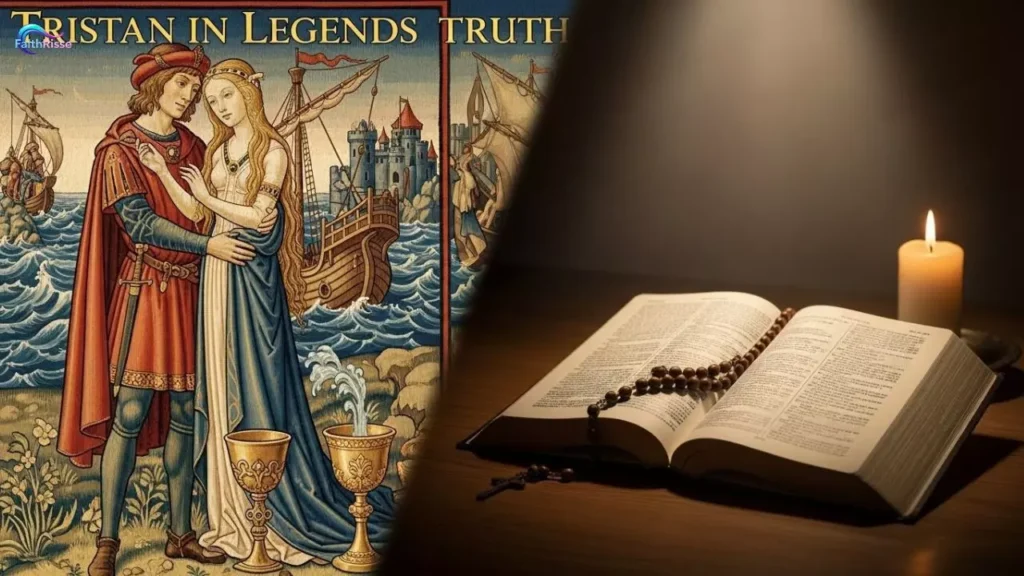
- Sir Tristan (Knight of the Round Table): In medieval legends, Tristan is celebrated as a brave and loyal knight, showing courage and honor.
- Tristan and Isolde — Emotion vs Commitment: The famous love story emphasizes passion and emotional struggle, highlighting challenges between desire and duty.
- Christian Lens — Lessons: Viewed through a Christian perspective, Tristan teaches that love and relationships should be guided by truth, faith, and moral integrity, aligning legendary tales with biblical values.
Biblical Themes That Mirror Tristan’s Meaning
- Sorrow as a Sacred Pathway: Tristan reflects how experiencing sorrow can lead to spiritual growth, a common theme throughout the Bible.
- Tumult with Divine Purpose: Life’s challenges and chaos are seen as opportunities for God’s plan to unfold, mirroring Tristan’s journey.
- From Grief to Glory: The name symbolizes the spiritual journey from pain and hardship to redemption, hope, and ultimate restoration, echoing biblical teachings.
Bible Verses Perfect for a Child Named Tristan
- Jeremiah 29:11 – “For I know the plans I have for you,” declares the Lord, “plans to prosper you and not to harm you, plans to give you hope and a future.”
Encourages trust in God’s guidance, reflecting Tristan’s spiritual meaning of hope and purpose. - Psalm 147:3 – “He heals the brokenhearted and binds up their wounds.”
Highlights God’s care for the sorrowful, resonating with Tristan’s symbolism of restoration. - 2 Corinthians 4:17 – “For our light and momentary troubles are achieving for us an eternal glory that far outweighs them all.”
Shows how trials build spiritual strength, aligning with Tristan’s journey from suffering to glory. - Romans 8:28 – “And we know that in all things God works for the good of those who love him.”
Reflects divine purpose in challenges, echoing Tristan’s meaning of faith through trials. - Isaiah 43:2 – “When you pass through the waters, I will be with you; and through the rivers, they shall not overwhelm you.”
Symbolizes God’s protection during difficulties, reflecting Tristan’s spiritual resilience. - James 1:12 – “Blessed is the one who perseveres under trial because, having stood the test, that person will receive the crown of life.”
Encourages endurance and faith through trials, embodying Tristan’s core symbolism of perseverance and redemption.
Name Variations & Meaning Combinations
- Tristan + Christian Meaning: The name Tristan can be seen as “sorrow redeemed by faith,” symbolizing how challenges and trials can lead to spiritual growth and restoration.
- Variations: Popular variations of Tristan include Tristana, Kristian, and Cristian, each carrying a similar spiritual essence and faith-inspired meaning.
Frequently Asked Questions
Is Tristan a Biblical Name?
No, Tristan is not directly mentioned in the Bible, but its meaning aligns with biblical themes of faith, suffering, and redemption.
What Does the Name Tristan Mean in the Bible?
Tristan symbolizes sorrow, perseverance, and spiritual growth, reflecting a journey from trials to faith and restoration.
Can Tristan Be Considered a Christian Name?
Yes, Tristan is Christian-appropriate because it embodies values like trust in God, endurance, and hope.
What Spiritual Lessons Does Tristan Represent?
The name reflects faith through trials, strength from sorrow, and redemption, teaching important biblical life lessons.
Is Tristan Linked to Any Bible Characters?
No biblical character is named Tristan, but the themes of his name mirror stories of Job, David, and other faithful figures.
How Does Tristan Reflect Faith and Perseverance?
Tristan symbolizes how challenges and hardships strengthen faith and lead to spiritual growth.
Are There Bible Verses That Match Tristan’s Meaning?
Yes, verses like Romans 8:18, James 1:12, and Psalm 34:18 reflect Tristan’s journey from sorrow to hope.
What Values Make Tristan a Meaningful Name for a Child?
The name inspires resilience, trust in God, moral courage, and hope, making it spiritually meaningful.
Can Tristan’s Meaning Guide Life Decisions?
Yes, the symbolism of faith, redemption, and perseverance can inspire children and adults to live with purpose and trust in God.
Conclusion
The name Tristan, while not directly mentioned in the Bible, carries a powerful biblical meaning of faith, perseverance, and redemption. Popular among Christian families in the USA, UK, Canada, and Australia, Tristan reflects spiritual strength, hope through trials, and divine guidance, making it a meaningful choice for a child’s name.

Posting thoughtful articles on prayer and spirituality. All content is written and managed by me — Zayn Raza.